

Best Indoor Plants: 2026 Guide to Low Light & Pet Safe
Table of Contents
- Quick Comparison: Best Indoor Plants at a Glance
- Aglaonema Anyamaree: The Low-Light Colour Champion
- Anthurium Crystallinum Hope X Velvet: For Collectors Who Want Drama
- Aglaonema NOID: The Budget-Friendly Beginner Plant
- Best Low Light Indoor Plants for Rooms That Never See Sun
- Pet Friendly Indoor Plants That Won't Harm Cats and Dogs
- Indoor Plant Care Tips: Feeding, Soil and Leaf Health
- Frequently Asked Questions
Last Updated: 13 September 2026
Quick Comparison: Best Indoor Plants at a Glance
Choosing the best indoor plants comes down to matching three things: your light, your schedule, and your pets. At Roots & Shoots, we've watched beginners and seasoned collectors alike fall for the same myth, that a plant is either "easy" or "fussy". In reality, the best indoor plants for your home are simply the ones that suit the conditions you already have.
Below, we compare three standout picks, then break down low light options, pet friendly indoor plants, and indoor plant care tips so you can choose with confidence.
| Plant | Price | Light Needs | Best For | Pet Safety |
|---|---|---|---|---|
| Aglaonema Anyamaree | $20.00 | Bright, indirect; tolerates low light | Colour lovers wanting low fuss | Toxic if chewed |
| Anthurium Crystallinum Hope X Velvet | $25.00 | Bright, indirect | Collectors chasing dramatic foliage | Toxic if chewed |
| Aglaonema NOID | $15.00 | Tolerates low light | First-time plant owners | Toxic if chewed |
Aglaonema Anyamaree: The Low-Light Colour Champion
If you want colour without a drama-filled care routine, Aglaonema Anyamaree is the pick. Its pink, red and green foliage holds its vibrancy in bright, indirect light, and it adapts to spots that never see direct sun.


Water it only when the top few centimetres of soil feel dry, and keep it warm, ideally between 18°C and 27°C.
The compact, bushy habit suits shelves, desks and plant stands. Where it falls short: it is not pet safe, so homes with curious cats and dogs should look further down our list.
ASPCA guidance on toxic and non-toxic plants
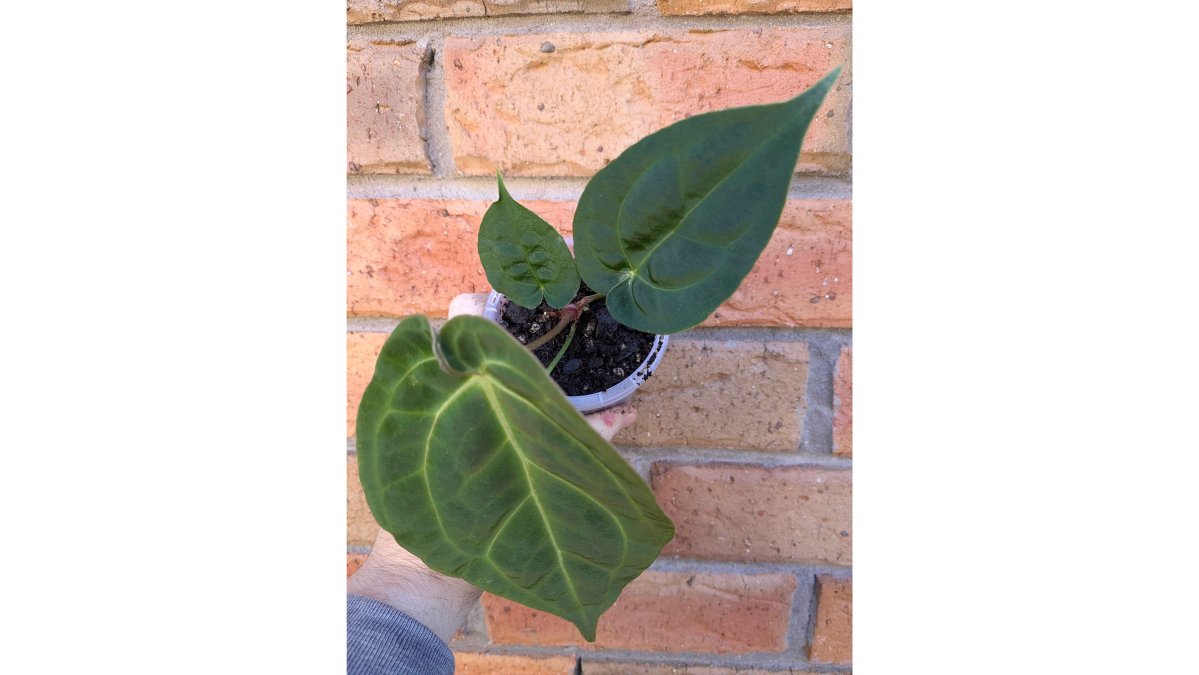
Anthurium Crystallinum Hope X Velvet: For Collectors Who Want Drama
For collectors, this velvet-leaf hybrid earns its place. Thick, heart-shaped leaves carry bright silver-white veining against dark green, and mature plants can grow large under the right conditions.
It is the thirstiest for humidity on this list, preferring 60% or higher, so a bathroom with good airflow or a grouped display works well. Water when the top few centimetres of soil are dry, and use a chunky, well-draining aroid mix rather than dense potting mix. For a suitable option, consider the Plant Runner Aroid Mix 7L Bag.
Aglaonema NOID: The Budget-Friendly Beginner Plant
Beginners should start here. Aglaonema NOID tolerates low light, forgives the occasional missed watering, and costs the least of the three at $15.00.

Its glossy leaves come in shifting shades of green, silver, pink and red, so no two plants look quite alike. Water when the top few centimetres of soil are dry, keep it between 18°C and 30°C, and feed monthly through spring and summer.
The honest limitation: unnamed varieties mean you cannot guarantee a specific colour pattern before it arrives.
Best Low Light Indoor Plants for Rooms That Never See Sun
Low light indoor plants are those that tolerate indirect or dim conditions without losing leaf colour or stalling growth. Both Aglaonema varieties above qualify, which makes them the safest bet for hallways, bedrooms and north-facing rooms.
A common mistake is compensating for low light with extra water. Plants in dim spots use less moisture, so let the soil dry further between waterings than you would in a bright room.
If growth stalls, a gentle liquid feed can help, but never push heavy fertiliser onto a plant that is not actively growing.
Pet Friendly Indoor Plants That Won't Harm Cats and Dogs
Pet friendly indoor plants are varieties confirmed as non-toxic to cats and dogs when chewed or ingested. None of the three plants featured above meet that standard, so if your pets nibble, choose differently.
True pet safe options include Calathea, Spider Plant, Parlour Palm and Boston Fern. These still need the right light and watering, but they remove the worry of a curious cat taking a bite.
Always confirm a plant's status before bringing it home, and place even safe plants out of reach if your pet is a determined chewer.
Indoor Plant Care Tips: Feeding, Soil and Leaf Health
Indoor plant care tips come down to three routines: feeding, soil and clean leaves. Get these right and most problems never appear.
Feeding: Indoor plants rely entirely on what you give them. A balanced liquid feed during active growth covers the basics, while slow-release pellets build longer-term soil health. Aroid-specific formulas suit Monstera, Philodendron and Anthurium.
Soil: Chunky, bark-based mixes give roots the airflow they need. A 7L bag of aroid mix fills roughly three to five 150mm pots.
Leaves: Dust blocks the light a leaf needs to feed itself. A quick wipe with a neem-based leaf shine restores the natural gloss and lets the leaf do its job.
| Task | How Often | Why It Matters |
|---|---|---|
| Water | When topsoil is dry | Prevents root rot |
| Feed | Every 2-4 weeks in growth | Supports new leaves |
| Wipe leaves | Every 2-3 weeks | Keeps light absorption high |
Royal Horticultural Society houseplant care guidance
Frequently Asked Questions
Which indoor plants are the easiest to keep alive?
Aglaonema varieties are among the most forgiving indoor plants you can buy. They tolerate low light, adapt to average household humidity and only need watering when the top few centimetres of soil feel dry. The Aglaonema NOID at $15 is a great starting point, while the Aglaonema Anyamaree at $20 adds pink and red foliage without demanding more attention. Both handle temperatures between 18°C and 30°C, which suits most homes.
What are the best low light indoor plants for dark rooms?
Aglaonema is your best bet for low light indoor plants. Both the Anyamaree and NOID varieties tolerate bright, indirect light but also cope with lower light levels where many other plants struggle. Avoid direct sun, which scorches leaves. If your room gets no natural light at all, rotate the plant closer to a window every few weeks or use a simple grow light to keep growth steady.
Are there indoor plants that are non-toxic to cats and dogs?
Yes, there are pet friendly indoor plants. However, none of the Aglaonema varieties or the Anthurium Crystallinum Hope X Velvet featured are considered pet safe. If you have curious pets, it's always wise to keep any plant out of reach. Always confirm a plant's status before bringing it home.
How often should I water my indoor plants?
Water when the top few centimetres of soil feel dry, not on a fixed schedule. In warmer months this might mean once a week; in cooler months, every 10 to 14 days. Overwatering causes more indoor plant deaths than underwatering. Always use a pot with drainage holes and let excess water drain away. For aroid varieties, a chunky mix like Plant Runner Aroid Mix 7L Bag ($21) helps prevent soggy roots.
What indoor plant care tips keep leaves looking their best?
Dust settles on leaves indoors and blocks the light they need to feed themselves. Wipe foliage every few weeks with a product like Plant Runner Neem Oil Leaf Shine ($19), which lifts dust and restores natural gloss without greasy residue. Feed during active growth with a balanced fertiliser such as Plant Runner Indoor Plant Food ($14), and remove any yellow or damaged leaves promptly to keep the plant tidy and healthy.
The hardest part of building an indoor jungle is not choosing plants, it is keeping them alive through the first few months. Roots & Shoots stocks beginner-friendly Aglaonema, rare velvet-leaf Anthurium, and the fertilisers, aroid mix and leaf care products that support them, all delivered to your door. Join our plant party and subscribe to grow your space and your calm, one leaf at a time.